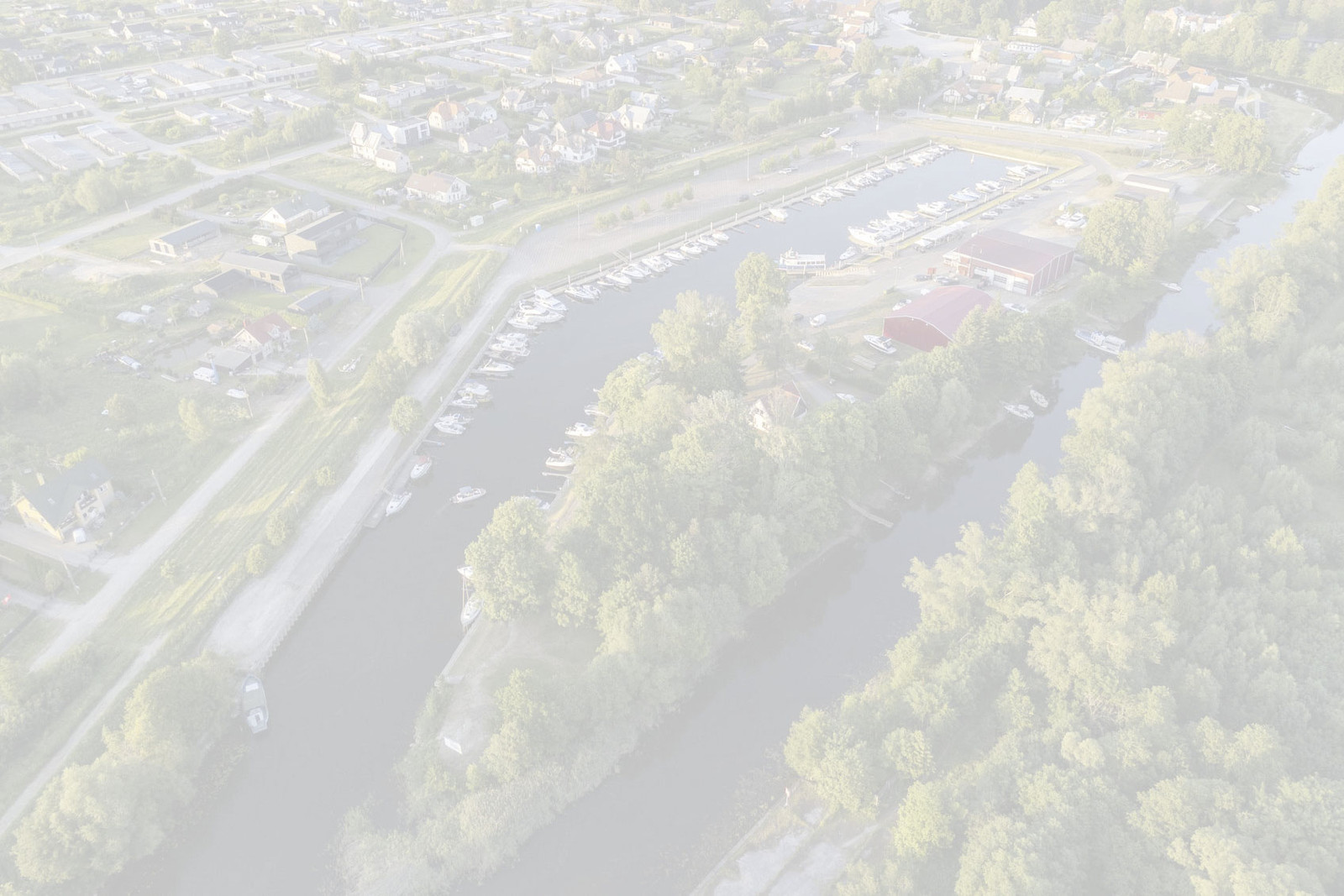
Vainutas is a Samogitian border town, situated in a beautiful valley where the river Šyša starts its journey. Vainutas was first mentioned in written sources in 1506. In 1640, 29 families lived in Vainutas. At the beginning of the 18th century (during the Northern War), the town burnt down and there were no inhabitants in Vainutas. Gradually, life in Vainutas started to develop, a church and a school were built, but in 1853 the town was destroyed. Vainutas burnt down again. However, after each disaster, the town recovered quickly. From 1853, the poet and classic of Lithuanian literature Antanas Baranauskas worked in Vainutas as a scribe’s assistant for two years. His most famous work is the poem “Anykščių šilelis”. The poet also described the Vainutas fire in verse. A small church was built in 1856 and rebuilt in 1869 on the initiative of Bishop Motiejus Valančius. It has survived to the present day – stone-built, rectangular in plan, gabled with an apse, with 3 altars inside. The churchyard is enclosed by a stone masonry fence. The town is adorned with wooden shrines and monuments: a chapel-post dedicated to priest and poet Antanas Baranauskas, a roofed pillar cross for St. John the Baptist, a shepherd boy sculpture, the Rebirth memorial stone, and an oak grove commemorating the Restoration of Lithuanian Independence. At the town’s entrance, a wooden cannon—Vainutas’ symbol—stands on a stone pedestal. Today, visitors to Vainutas will find a small town where time flows slowly, like the water of the Šyša River that begins in the nearby countryside. A school, a church, a shop, a cemetery – everything is close by, all within easy reach. When nature comes back to life, the name of the town, Vainutas, written in blooming wild flowers, greets you on the hillside, which opens up in all its beauty to everyone coming from the direction of Žemaičių Naumietis.
This mode enables people with epilepsy to use the website safely by eliminating the risk of seizures that result from flashing or blinking animations and risky color combinations.
Cognitive Disability Mode
Helps to focus on specific content
This mode provides different assistive options to help users with cognitive impairments such as Dyslexia, Autism, CVA, and others, to focus on the essential elements of the website more easily.
Blindness Mode
Allows using the site with your screen-reader
This mode configures the website to be compatible with screen-readers such as JAWS, NVDA, VoiceOver, and TalkBack. A screen-reader is software for blind users that is installed on a computer and smartphone, and websites must be compatible with it.